
Which massage course should I choose?
There are various companies available that offer different types of massage therapy training; however, sports massage seems to be one of the most popular options due to the increase in career opportunities available across sports and fitness settings. Massage courses in Scotland are more popular than ever, partly because of the favourable additional income they can bring to those already working as personal trainers, or to those looking for extra income in a career they can work around an existing job. For a single sports massage treatment, clients could pay anything from £40 up to £100 per session.
Some freelance sports massage therapists start off by carrying out mobile treatments, where they visit clients in their own home. This keeps costs to a minimum, as the main outlays are a table, oils and insurance. Once established, it can be a good idea to have your own premises or rent a room in an established facility such as a gym or leisure club. This can give you access to a wider range of clients seeking the service and skills of a sports massage therapist. While there are more overheads if you rent a room, the wider client base can be a major advantage.
If you own a sports centre or studio, it can also be a great idea to upskill your staff with this qualification, as it creates an additional income stream for the business, either through room rental or by offering massage as an additional service to clients.
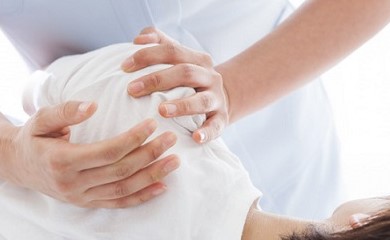
The Active IQ Diploma in Sports Massage Therapy provides learners with the knowledge and skills to be recognised as a qualified sports massage therapist. This can support employment in areas such as sports clubs, health clubs, spas and active leisure establishments. It is also an ideal add-on for personal trainers looking to expand their knowledge and offer additional services to their clients.
During the course, learners will cover:
- Anatomy and physiology for sports massage, including the effects of sports massage on body systems.
- Principles of health and fitness, including the benefits of an active, healthy lifestyle, the effects of exercise on the body, components of fitness and principles of training, and the importance of healthy eating.
- The principles of soft tissue dysfunction.
- Professional practice in sports massage, including legislation, scope of practice, professional standards and professional conduct.
- Sports massage treatments, including the history and development of massage, the fundamentals of sports massage treatments and assessing and screening clients for treatment.
This Active IQ Diploma in Sports Massage Therapy is recognised by the Complementary and Natural Healthcare Council (CNHC) and the General Council for Massage Therapies (GCMT).
Here at The Fitness Education Academy, we offer the Sports Massage Course in Edinburgh, Glasgow, Aberdeen, Penicuik and also as an in-house course at various locations in Scotland. Once booked onto the course, learners can begin study straight away. This involves home study covering the theory aspects of the course, followed by 6 practical days spread out to allow time to practise in between. The course is assessed through written questions, assignments, theory assessments and practical observations. Some assessments are completed in your own time and others are completed during the attendance days.
How Do I Become a Massage Therapist in Scotland?
Are you considering a career in massage therapy? If so, and you live in Edinburgh, Glasgow or other areas in Scotland, this could be an ideal opportunity. This blog post guides you through the steps to become a certified massage therapist in Scotland, focusing on the massage courses The Fitness Education Academy has available.
Step 1: Understand What Massage Therapy Entails
Before embarking on your journey to becoming a massage therapist, it is important to understand what the role involves. Massage therapists use touch and various techniques to manipulate muscles and soft tissues of the body. They help clients relieve pain, support recovery, improve circulation, relieve stress and promote relaxation.
Massage therapists may work in various settings such as spas, fitness centres, hospitals, sports clubs or even from their own homes. They often have flexible working hours, though evenings and weekends may also be required when clients are most available.
Step 2: Enrol in Accredited Massage Courses in Scotland
The first step towards becoming a qualified massage therapist in Scotland is enrolling in an accredited training programme. These programmes provide both the theoretical knowledge and practical experience needed for the profession. The Fitness Education Academy delivers the Active IQ Level 3 Diploma in Sports Massage Therapy in various locations across Scotland. The aim of the qualification is to provide learners with in-depth knowledge and skills to offer sports massage therapy to a range of clients who have dysfunctional tissue, without acute or post-acute injuries or underlying pathological conditions. There are no specific entry requirements for this course. Assessment is through projects, theory assessments, a portfolio of evidence and practical demonstrations.
Step 3: Gain Practical Experience
While coursework provides the necessary theoretical knowledge, it is equally important to gain hands-on experience. Our course is taught over a period of time, with 6 attendance days spread out to allow practice time in between. This, combined with the practical experience gained during the course, gives learners time to build the experience needed to achieve the qualification. You can also seek internships or part-time work at local spas, fitness centres or hospitals to further develop your skills. This can help build both confidence and a network within the industry.
Step 4: Continuous Professional Development
Even after becoming a qualified massage therapist, it is important to continue learning and developing your skills. This could be through workshops, seminars or advanced massage courses in Scotland. Continuous professional development helps you stay up to date with current techniques and trends in massage therapy. We also recommend that once qualified, you join the CNHC (The Complementary Natural Healthcare Council). This is a voluntary regulator whose key function is to enhance public protection. The CNHC provides government-recognised standards of proficiency and professional guidance, along with support, advice and networking opportunities.
Conclusion
Becoming a massage therapist in Scotland requires dedication and hard work, but it can be a highly rewarding career for those passionate about helping others improve their wellbeing. It can also be rewarding financially, whether you choose to work for an employer in a health club, gym, private practice or sports club, work on a self-employed basis doing home visits, or open your own private clinic. By enrolling on an accredited massage course in Scotland, gaining practical experience and continuing to develop professionally, you can set yourself up for success in this field.
Every journey begins with a single step. Start exploring the massage courses we have available in Scotland and take that first step towards an exciting career as a massage therapist.
To learn more about the course and find out when you can start, visit our course page where you will find full information including dates and prices. Alternatively, call us on 01968 679100 or email us at info@thefitnesseducationacademy.co.uk.